Where×When
Six hours of daylight in December. Eighteen in June.
In Stockholm the month decides more than the map does. The archipelago timetable halves, half the country stops working in July, and the same island is two different places depending on when you stand on it. So this guide starts with the year — and never gives you a place without it.
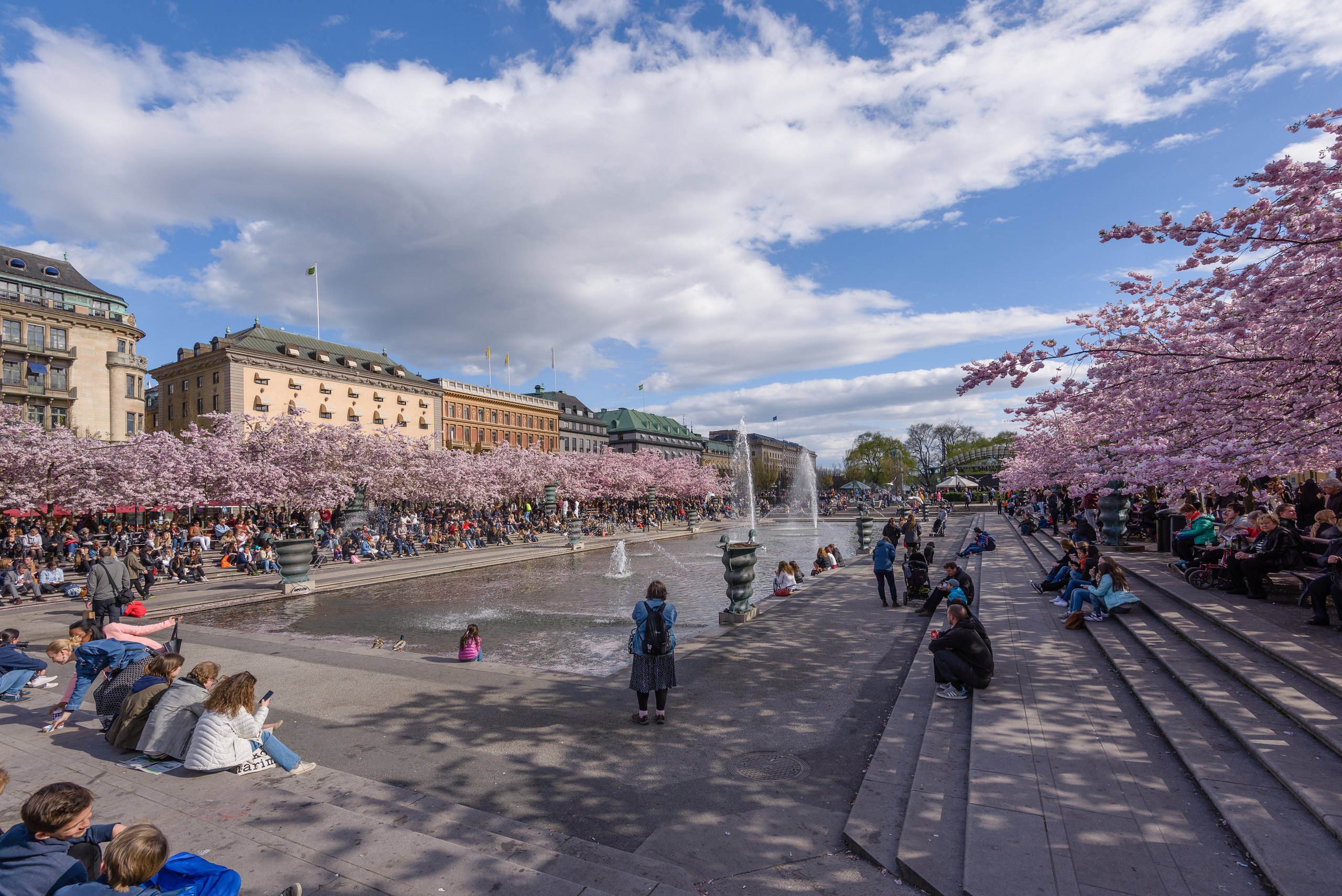
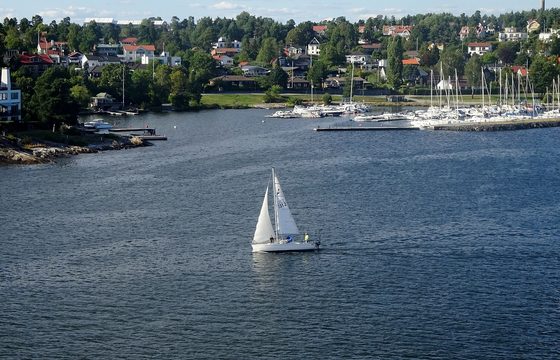
Hero photograph by Arild Vågen, Wikimedia Commons, CC BY-SA 4.0.
The almanac
The year, and what each month actually changes
Daylight figures are approximate and move week to week — they are here to show the shape of the year, not to plan an hour by. For sunrise on your own date, check an almanac.
The matrix
Pick a place and a season. The answer is the intersection.
Neither axis is much use alone this far north. A guide that lists places without the month is telling you half of it — which is why the archipelago disappoints so many people in March.

Why the two axes cannot be separated here
Stockholm runs on water and on light, and both are seasonal. The ferries that make the archipelago reachable are a timetable, not a road. The park that is the best thing on Djurgården in June is dark by three in December, when the four museums on the same island are the entire point. The same address, twice a year, is two different recommendations — so we never give you one without the other.
The standing rules
What we can tell you, and what we will not
The third column is the unusual one, and here it matters twice over: half of these change with the season as well as the year.
Recently
Newest writing
- 01What Is the Sjöhistoriska Museet, and What Does It Collect?Museums & Galleries
- 02Left Luggage in Stockholm: What the Station Lockers CostPlanning & Practicalities
- 03Stockholm’s Four Airports Compared: Two Are Not Near StockholmGetting Around
- 04Free vs Paid Museums in Stockholm: Does an Attraction Pass Pay Off?Museums & Galleries
- 05Stockholm Day Trips Compared: What Your Travel Pass Actually CoversDay Trips
- 06What Is the Naturhistoriska Riksmuseet, and What Does It Hold?Museums & Galleries
- 07What Are Stockholm’s Districts Like to Live In?Living in Stockholm
- 08How Does the Working Day Differ in Stockholm?Living in Stockholm
Everything, by subject
Where things live
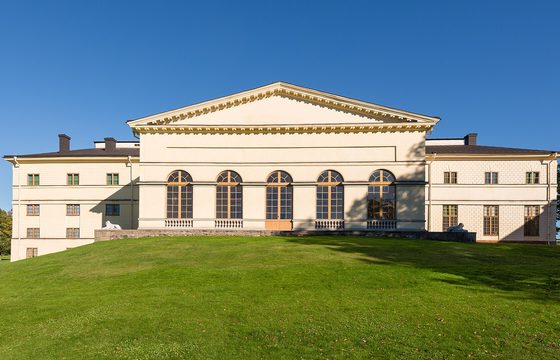 Day TripsDrottningholm, Uppsala, Sigtuna, Birka.
 Food & MarketsMarket halls, husmanskost, and fika.
 Getting AroundMetro, bus, ferry — and one card.
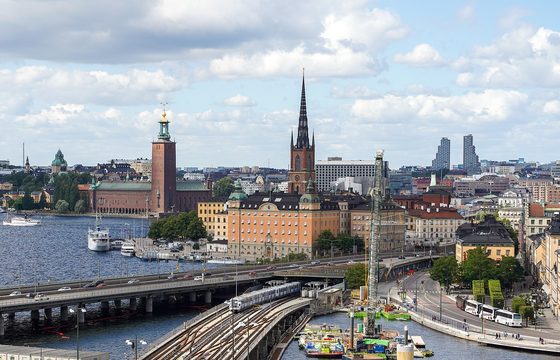 Itineraries & Day PlansSensible orders for one to three days.
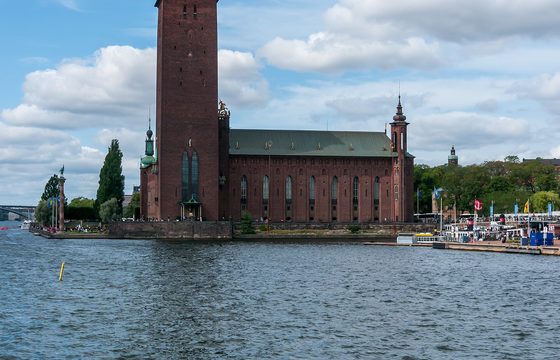 Landmarks & SightsWhat was built, when, and what for.
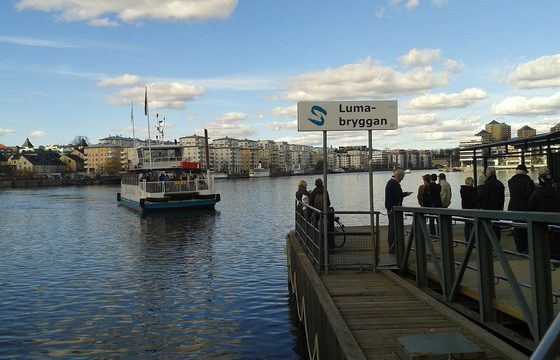 Living in StockholmThe city from the resident’s side.
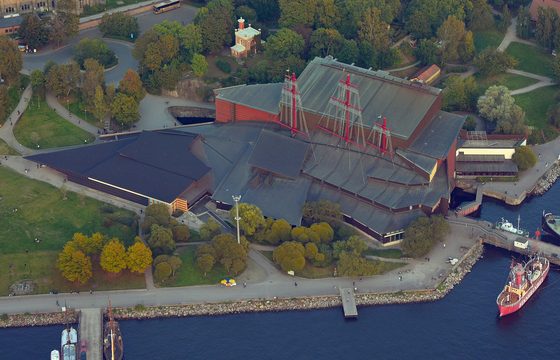 Museums & GalleriesWhat each collection holds, and where it sits.
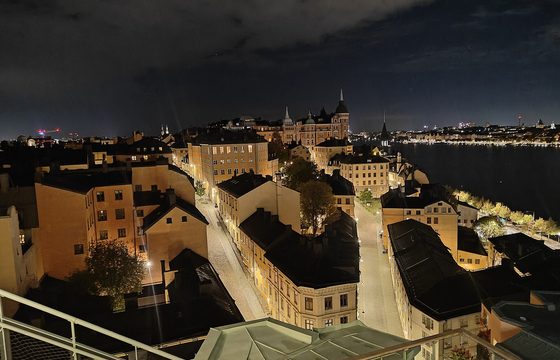 NeighbourhoodsWhich island each district is on.
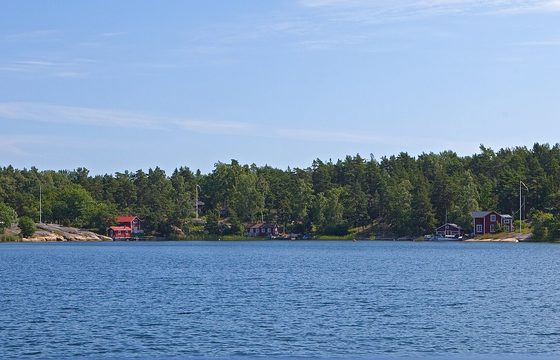 Parks & ArchipelagoThirty thousand islands, and the parks.
 Planning & PracticalitiesThe light, the year, the rhythm.
Where this site stops
We explain what Stockholm contains and how it works. We are not a travel agency, we have not been to these places, and we will not pretend otherwise.
- No invented places, and no invented detail about real onesWe will not name a restaurant we are not certain exists, and we will never describe what being somewhere is like. That is the line the whole genre crosses.
- No personal recommendations — only sourced onesWhere something is singled out as notable we say who says so: a Michelin listing, a UNESCO inscription, a museum’s own catalogue, an official tourism body.
- No dated event listingsThey are wrong within a week and we cannot maintain them. We write what recurs and roughly when, and tell you to check the current dates yourself.
- No fares, prices or opening times as factThey change constantly — and here the seasons change them twice a year. We explain the shape of a system and send you to the operator.